

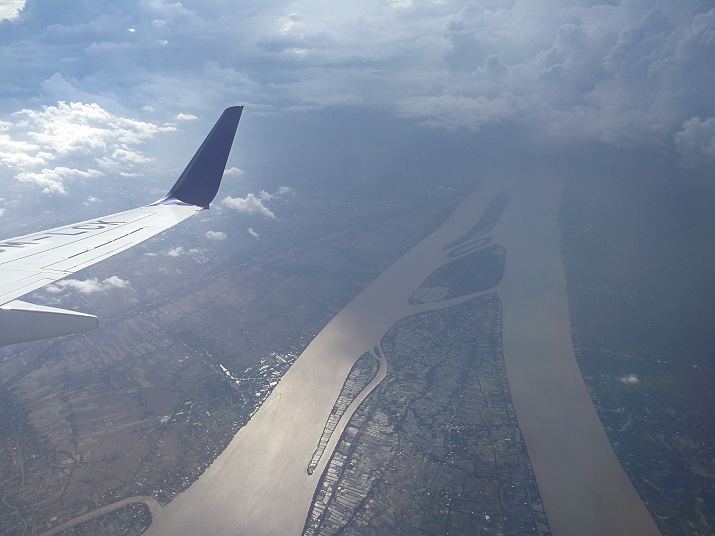
Ho Chi Minh city, Mekong Delta and Mekong River
The Mekong River, Mekong Delta, and Ho Chi Minh City: A Lifeline, a Landscape, and a Metropolis
This trio represents the essential geographic and economic narrative of southern Vietnam—a story of a mighty river, the fertile land it creates, and the mega-city that depends on it. Here’s how they connect.
The Mekong River: The Mother Source
- What it is: The 12th-longest river in the world, flowing ~4,900 km from the Tibetan Plateau through China, Myanmar, Laos, Thailand, Cambodia, and into Vietnam.
- Its Role: It is the absolute lifeblood.
- It provides:Water & Sediment: Carries water and, critically, rich silt (sediment) that has built and fertilized the Delta over millennia.
- Hydrological Pulse: Its seasonal flood pulse (high water in wet season, low in dry season) historically defined Delta farming and fishing cycles.
- The Modern Threat: Upstream dams (over 160 planned or built, mainly in China and Laos) are trapping sediment and altering the natural flow. This is the root cause of the Delta’s existential crisis—it is being starved of the silt that counters natural subsidence and sea-level rise.
The Mekong Delta: The River’s Creation
- What it is: The vast, flat, low-lying plain (40,000 sq km) in southern Vietnam where the Mekong River splits into nine main distributaries (the “Nine Dragons” or Cửu Long) and empties into the South China Sea.
- How the River Forms It: Over thousands of years, the river’s deposited sediment built this land. The Delta is not static—it was historically sustained by the river’s annual delivery of new sediment, which rebuilt riverbanks and fought coastal erosion.
- The Economic Transformation: The river’s water enabled the Delta to become “Vietnam’s Rice Bowl” and the world’s aquaculture powerhouse (shrimp, pangasius). A vast network of human-made canals (dug over centuries for transport and drainage) intensified this agriculture but also disrupted natural hydrology.
Ho Chi Minh City (HCMC): The Distant but Dominant Child
- Geographic Reality: HCMC is NOT located in the Mekong Delta. It sits on the separate “Sai Gon-Dong Nai” river system, northeast of the Delta’s official boundary.
- The Inextricable Connection: Despite not being geographically in the Delta, HCMC is ecologically and economically tied to it:
- Water Supply: A significant portion of HCMC’s water (especially for its eastern districts and future needs) is drawn from the Sai Gon and Dong Nai Rivers, which are influenced by the broader Mekong system.
- Economic Hinterland: As covered earlier, the Delta is HCMC’s food basket, labor pool, and export commodity source. The city’s port complex ships Delta products worldwide.
- Shared Climate Threat: Both sit on low-lying land. HCMC faces severe flooding from intense rainfall and rising seas. The disruption of the Mekong’s flow and the sinking of the Delta exacerbate saltwater intrusion and hydrological changes that indirectly affect the entire region’s climate resilience.